
"global statistics"
200 article(s) found

Research on Market Evaluation and Investment Planning of China's Coffee and Beverage Industry from 2016 to 2020
The "Research report on Market Evaluation and Investment Planning recommendations of China's Coffee and Beverage Industry from 2016 to 2020" released by Booz data introduces the relevant overview of the coffee and beverage industry, the operating environment of China's coffee and beverage industry, and analyzes the current situation of China's coffee and beverage industry, the competition pattern of China's coffee and beverage industry, and the operation of key enterprises in China's coffee and beverage industry.

Coffee is the No. 1 crop in global trade. Ranking of coffee production and consumption
Exchange of professional baristas Please pay attention to Coffee Workshop (Wechat official account cafe_style) Coffee is the No. 1 item in world crop trade volume, surpassing rice and wheat, while the world's largest coffee producer is Brazil, the largest consumer is the United States, and Finland has the highest coffee consumption per person, with an average of 4 to 5 cups of coffee per person per day. Author = Choi Rongxia (Korean)
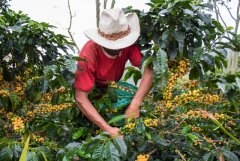
Global coffee supply surplus Vietnam's coffee exports fell in volume and price in 2019
For more information on coffee beans, please follow the coffee workshop (Wechat official account cafe_style) according to statistics from Vietnam's Ministry of Agriculture and Rural Development, Vietnam exported 943000 tons of coffee in the first half of 2019, with an export value of US $1.6 billion, down 9.2% and 19.9% respectively from the same period last year. The main export markets of Vietnamese coffee are Germany and the United States, accounting for the export market of Vietnamese coffee respectively.
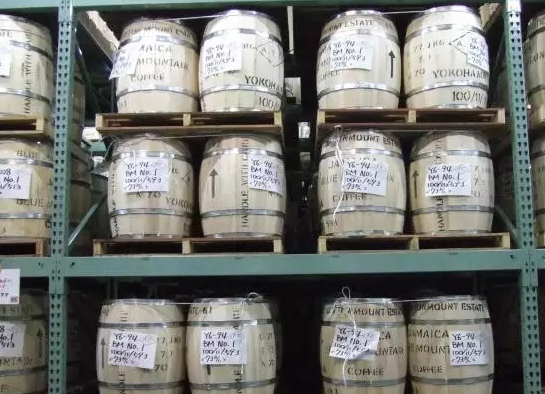
Data | official statistics of coffee and raw beans exported from Jamaica to China
According to data from the World Trade Organization and Chinese Customs, the total global exports of Jamaica in the past five years are as follows: 842 tons in 2011, 592 tons in 2013, 692 tons in 2013, 449 tons in 2014, 555 tons in 2015, of which, China's imports in the past five years are as follows: 2011 19 tons, 2012 17 tons, 2013 3 tons, 2014 2 tons 2 tons (all official statistics)

Global coffee producing area China's coffee producing area
Coffee trees are also planted in China. However, since there are no production statistics, no one knows for sure how many coffee trees there are in China and how much coffee they can produce. Coffee producing areas in China: at present, gourmet coffee has been successfully grown in Taiwan, Yunnan and Hainan, which shows that the coffee industry can prosper in the region for a long time. The characteristics of Chinese coffee: flavor: affected by

Global Coffee producing area-the characteristics of Chinese Coffee
Coffee trees are also planted in China. However, since there are no production statistics, no one knows for sure how many coffee trees there are in China and how much coffee they can produce. Coffee producing areas in China: at present, gourmet coffee has been successfully grown in Taiwan, Yunnan and Hainan, which shows that the coffee industry can prosper in the region for a long time. The characteristics of Chinese coffee: flavor: affected by

"Made in Yunnan" coffee breakthrough "original bean extraction" technology into the market
According to statistics, by the end of 2016, Yunnan coffee planting area exceeded 1.8 million mu, 2016/2017 production season, Yunnan coffee production is expected to reach about 150,000 tons, Yunnan coffee planting area and output accounted for more than 98% of China; and the world coffee production in this production season is about 8.879 million tons, Yunnan coffee accounts for about 1.7% of the global total output. Among the many coffee companies in China, Hougu Coffee

Jinuo intelligent coffee mill is popular in first-and second-tier cities in China.
More and more Chinese are beginning to sip Western drinks, and coffee is undoubtedly the first to bear the brunt. Relevant industry data show that the space of China's coffee market will continue to expand and will enter a period of rapid growth in the next 10 years. According to the London International Coffee Organization, compared with the global average growth rate of 2%, China's coffee consumption is growing at an astonishing rate of 15% a year. According to statistics, China's current

Stories of major producers of African coffee beans what are the characteristics of African coffee beans is African coffee expensive
Professional coffee knowledge exchange more coffee bean information Please pay attention to the coffee workshop (Wechat official account cafe_style) African coffee production currently accounts for only 13 per cent of global coffee production, down from 19-20 per cent in the 1960s and 1970s. According to the statistics of the International Coffee Organization (OIC), the total global coffee production in 2010 was 8 million tons, of which the proportion of African coffee was low. But the income from coffee is

Coffee roasting Development of Italian Coffee Baking Industry
In recent years, Italian coffee drinks cappuccino and latte have become popular, and the Italian coffee roasting industry has also risen to heaven with endless orders. According to the latest data, the export volume of Italian espresso beans increased by more than 50,000 bags (60 kilograms) in 1999 over the same period the year before. Experts pointed out that this is due to the global popularity of espresso drinks. Italian coffee roasting
Shade planting Coffee: Shade Grown
If you pay close attention to it, some raw bean sacks will be marked with the word Shade Grown, and most of them will be shaded and planted in Chinese. The so-called shade planting refers to the most praised Arabica species among the coffee varieties. The output of this variety accounts for 60% to 70% of the statistics of global coffee production, and is considered to be a coffee with excellent flavor that can be tasted carefully. Relative to Robes.
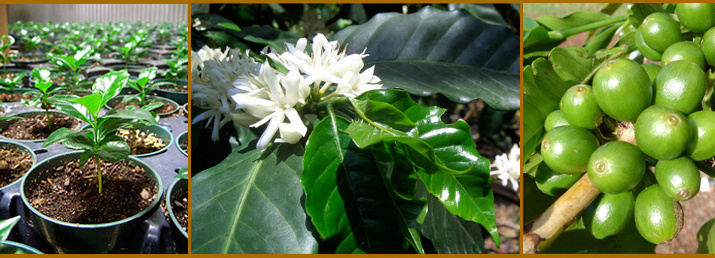
How to plant coffee trees, how to
If you pay careful attention, the words ShadeGrown will be marked on some raw bean sacks, or in some more serious introductions of raw beans, which are mostly translated into Chinese for shade planting. The so-called shade planting refers to the most praised Arabica species of coffee varieties, which accounts for six to seven percent of the global coffee production statistics.

Boutique Coffee beans: an introduction to "Shade planting" Coffee Shade Grown
If you pay close attention to it, some raw bean sacks will be marked with the word Shade Grown, and most of them will be shaded and planted in Chinese. The so-called shade planting refers to the most praised Arabica species among the coffee varieties. The output of this variety accounts for 60% to 70% of the statistics of global coffee production, and is considered to be a coffee with excellent flavor that can be tasted carefully. Relative to Robes.

Drink doves to quench thirst! Yunnan's "high-end" instant coffee drinks attempt to seize the domestic coffee market
Professional baristas Please follow the Coffee Workshop (official Wechat account cafe_style). Not long ago, the local coffee brand Xinruike in Yunnan Province, a new instant coffee Mata Star, was listed in Guangzhou. It is reported that at present, Xinruike Mata Star series of new products have been put on sale in many first-tier retail supermarkets. According to statistics, the annual growth rate of coffee consumption in China is about 25%, which is much higher than the global growth rate of 2%.

Per capita coffee consumption in the United Arab Emirates has tripled
According to the latest statistics released by the International Coffee Organization, tea and coffee consumption in Arab countries has more than tripled in the past decade. Consumption in the United Arab Emirates has increased by 85% in the past three years. The per capita annual consumption of tea and coffee in the United Arab Emirates is 3.5 kg, which is about double that of other Gulf countries, and tea consumption has increased by 47%. 2011 Global Coffee

Consumption of tea and coffee in Arab countries has more than tripled
According to the latest statistics released by the International Coffee Organization, tea and coffee consumption in Arab countries has more than tripled in the past decade. Consumption in the United Arab Emirates has increased by 85% in the past three years. The per capita annual consumption of tea and coffee in the United Arab Emirates is 3.5 kg, which is about double that of other Gulf countries, and tea consumption has increased by 47%. 2011 Global Coffee

Consumption of tea and coffee in Arab countries has more than tripled
According to the latest statistics released by the International Coffee Organization, tea and coffee consumption in Arab countries has more than tripled in the past decade. Consumption in the United Arab Emirates has increased by 85% in the past three years. The per capita annual consumption of tea and coffee in the United Arab Emirates is 3.5 kg, which is about double that of other Gulf countries, and tea consumption has increased by 47%. 2011 Global Coffee
Consumption of tea and coffee in Arab countries has more than tripled
The consumption of tea and coffee in Arab countries has increased more than threefold over the past decade, according to the latest statistics released by the International Coffee Organization. Consumption in the United Arab Emirates has increased by 85 per cent over the past three years. Annual per capita consumption of tea and coffee in the United Arab Emirates is 3.5 kg, coffee consumption is about twice that of other Gulf countries, and tea consumption has increased by 47%. Global Coffee 2011
Consumption of tea and coffee in Arab countries has more than tripled
According to the latest statistics released by the International Coffee Organization, tea and coffee consumption in Arab countries has more than tripled in the past decade. Consumption in the United Arab Emirates has increased by 85% in the past three years. The per capita annual consumption of tea and coffee in the United Arab Emirates is 3.5 kg, which is about double that of other Gulf countries, and tea consumption has increased by 47%. 2011 Global Coffee
Data | data of total global exports of Jamaica Blue Mountain for the whole year, with a unit price of more than 10,000 per barrel.
According to data from the World Trade Organization and Chinese Customs, the total global exports of Jamaica in the past five years are as follows: 842 tons in 2011, 592 tons in 2013, 692 tons in 2013, 449 tons in 2014, 555 tons in 2015, of which, China's imports in the past five years are as follows: 2011 19 tons, 2012 17 tons, 2013 3 tons, 2014 2 tons 2 tons (all official statistics)